
Feeling Drained: Is Dehydration to Blame?

Have you ever felt unwarrantedly tired even after a full night’s sleep? You might be overlooking something as simple as hydration. Dehydration could be a significant reason behind that fatigue you just can't shake. When your body lacks adequate water, symptoms such as fatigue, dizziness, and lowered energy levels can develop. By understanding the connection between hydration and energy, you can make better choices that enhance your well-being.
The Importance of Hydration
Water is vital for many bodily functions, such as regulating temperature, lubricating joints, and transporting nutrients. In fact, water accounts for about 60% of the human body. Every day, we lose water through sweating, urination, and even breathing, which makes it crucial to replace those fluids regularly.
When you don’t drink enough water, your body may struggle to perform its necessary functions. This can lead to feelings of lethargy and overall tiredness. To stay energetic and alert, it's important to maintain proper hydration levels throughout the day.
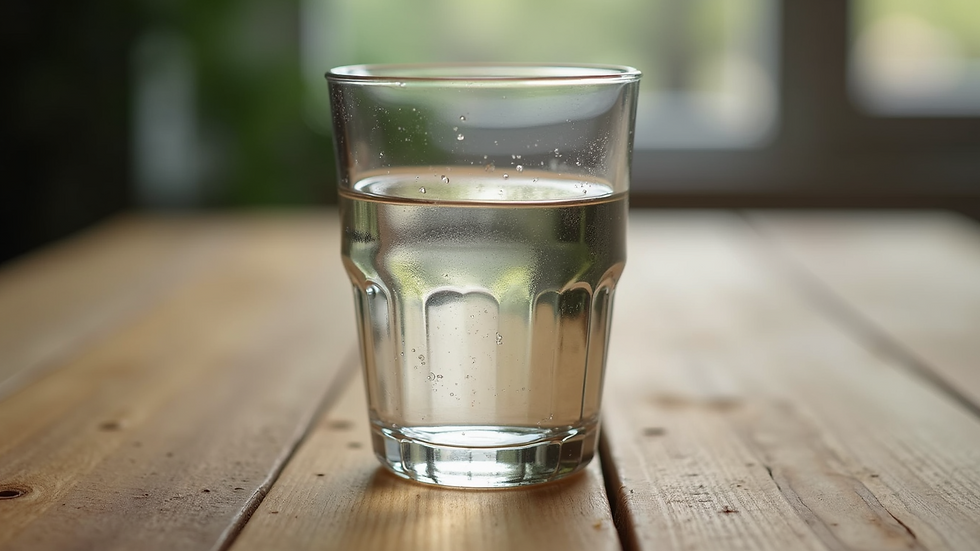
How Dehydration Affects Energy Levels
Dehydration impacts several bodily functions, often resulting in fatigue. As hydration levels drop, your blood thickens, which forces your heart to work harder to pump it efficiently. Current research indicates that even a state of mild dehydration—defined as losing just 1-2% of your body weight in water—can hamper performance. This can lead to a reduced supply of oxygen to your muscles and organs, leaving you feeling tired.
Additionally, dehydration can negatively affect cognitive abilities. The brain is composed of about 75% water, and when you are dehydrated, clarity can suffer. A study found that participants displaying dehydration symptoms showed impairments in mood, concentration, and memory. When you're struggling to think clearly, it’s no surprise that you feel drained.
Symptoms to Watch For
Recognizing the symptoms of dehydration is key to effectively managing fatigue. In addition to tiredness, look out for these signs:
Dizziness: If you start feeling lightheaded, it may indicate low hydration levels.
Dry Mouth and Thirst: These are often initial indicators that your body is craving fluids.
Dark Urine: If your urine is a deeper color than light yellow, it may signify dehydration.
Headaches: Insufficient hydration can lead to tension and headaches, adding to exhaustion.
If you notice any of these signs, it may be time to seriously consider your hydration levels.

The Right Approach to Stay Hydrated
How can you ensure you're getting enough water? Here are effective strategies you can start using today:
Set a Daily Water Target: For most people, aiming for approximately 2 liters (or about 8 cups) of water daily is a good benchmark. Adjust this based on your physical activity and climate.
Keep Water Handy: Always have a reusable water bottle with you. Studies show that having water accessible can significantly increase your fluid intake.
Include Hydrating Foods: Foods like cucumbers (95% water), watermelon (92% water), and oranges (86% water) not only hydrate but offer additional vitamins and minerals.
Listen to Your Body: Pay attention to your body’s thirst signals and hydrate before you feel absolutely parched.
Drink Frequently: In hot weather or during exercise, make it a point to drink small amounts of water regularly, instead of waiting for thirst to kick in.
When to Seek Help
If you have upped your water intake but still feel tired, it may be time to consult a healthcare professional. Chronic fatigue can sometimes signal underlying health issues like anemia, thyroid problems, or other conditions that require medical attention.
While dehydration is a common cause of fatigue, it’s essential to evaluate your overall lifestyle. Factors like diet, quality of sleep, and stress levels all influence your energy.
Reclaiming Your Energy
Feeling drained can be discouraging, especially when the reason isn't apparent. Dehydration could be significant in understanding your fatigue. By recognizing the value of staying hydrated, you can take actionable steps toward better energy levels.
Remember, hydration is about more than just avoiding thirst—it’s about nourishing your body to perform at its best. So why not take a moment right now to grab that water bottle? Your body will appreciate it.


Comments